
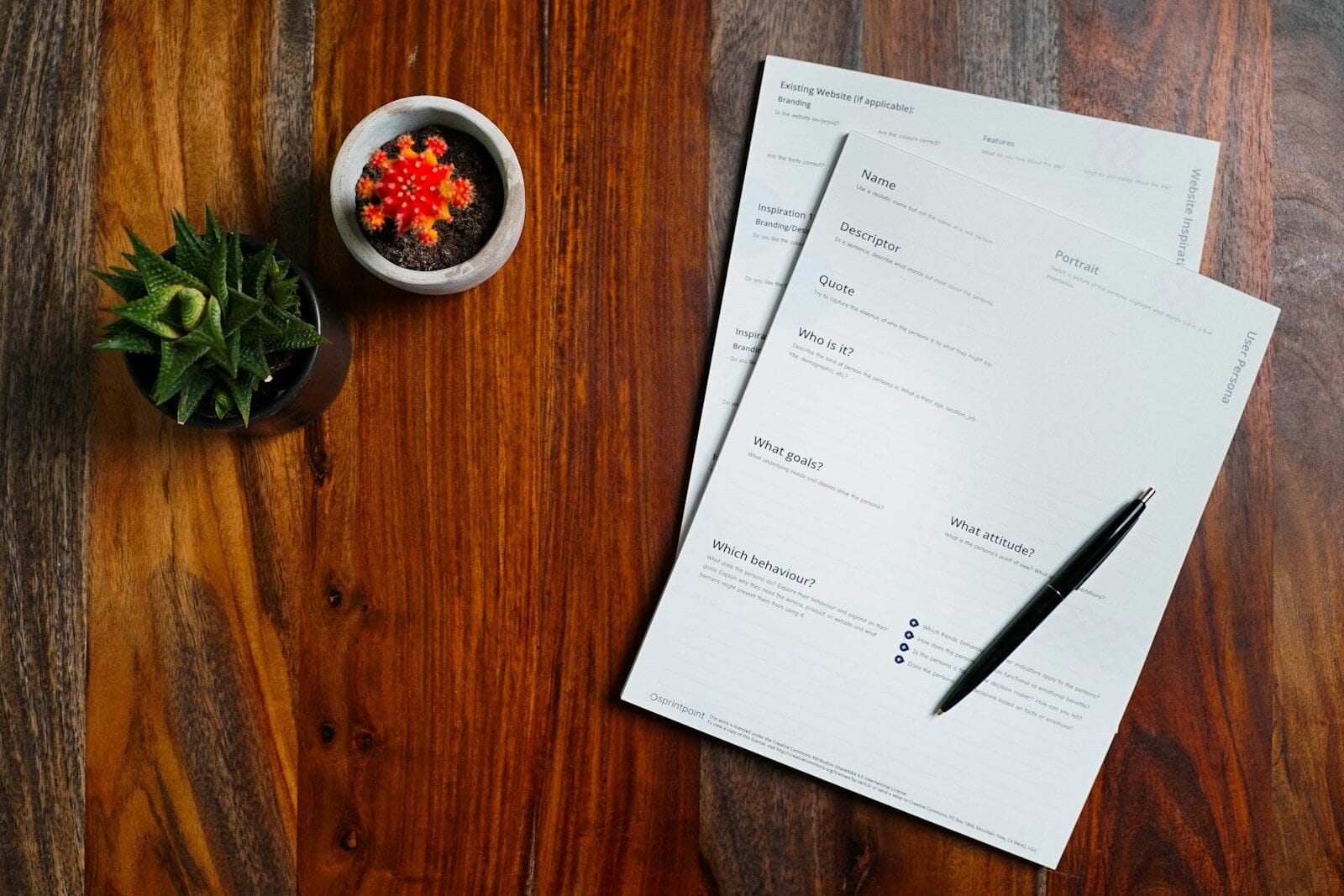
Quick Answer: What is the Freelance Invoice Template: What to Include So Clients Never Dispute Your Payment? The Freelance Invoice Template: What to Include So Clients Never Dispute Your Payment is a free, professional-grade tool provided by BestHelpTool.site for BLog. It allows users to nothing damages a freelance business faster than delayed payments, confusing invoices, and clients who suddenly instantly. Unlike premium alternatives, this tool runs entirely in your browser with no signup, no subscription fees, and complete data privacy.
Nothing damages a freelance business faster than delayed payments, confusing invoices, and clients who suddenly claim they “didn’t know” what they were paying for.
The uncomfortable truth is that many payment disputes begin long before the client receives the invoice. They start when expectations aren’t clearly documented.
A professional freelance invoice isn’t just a payment request. It’s a business document that records what was delivered, when it was delivered, how much is owed, and when payment is due.
If your invoices consistently include the right information, most payment disputes disappear before they begin.
What Should a Freelance Invoice Include?
A freelance invoice should contain:
- Your business information
- Client information
- A unique invoice number
- Invoice date
- Description of services provided
- Quantity or hours worked
- Rate per unit or hour
- Total amount due
- Payment due date
- Accepted payment methods
- Payment terms
- Optional notes or project references
The more specific the invoice, the fewer opportunities there are for misunderstandings.
Why Freelancers Get Payment Disputes
Most freelancers assume disputes happen because clients don’t want to pay.
Sometimes that’s true.
But more often, disputes happen because the invoice leaves room for questions.
Consider these two invoice descriptions:
Example A:
“Website Work — $500”
Example B:
“Homepage redesign, mobile optimization, image compression, contact form integration, and QA testing completed between June 1–10 — $500”
Which one gives the client less room to argue?
Specificity protects both sides.
The Essential Freelance Invoice Template
1. Your Business Information
Include:
- Name
- Business name (if applicable)
- Email address
- Phone number
- Website
- Business address (optional depending on jurisdiction)
This establishes who is requesting payment.
2. Client Information
Include:
- Client name
- Company name
- Billing contact
- Email address
- Company address (if available)
For larger companies, invoices often get routed through accounting departments. Accurate details reduce processing delays.
3. Invoice Number
Every invoice should have a unique identifier.
Examples:
- INV-001
- 2026-001
- WEB-105
- SEO-2026-017
Never send invoices without numbering them.
Invoice numbers simplify bookkeeping, payment tracking, tax reporting, and future reference.
4. Invoice Date
The invoice date indicates when the payment request was issued.
This becomes important when calculating late fees or payment deadlines.
5. Clear Description of Services
This is where many freelancers make costly mistakes.
A vague description invites questions.
A detailed description creates clarity.
Instead of:
“Content Writing”
Use:
“Research, writing, editing, and optimization of a 2,500-word article titled ‘Freelance Invoice Template: What to Include So Clients Never Dispute Your Payment'”
Instead of:
“SEO Services”
Use:
“Technical SEO audit covering crawl errors, indexing issues, Core Web Vitals recommendations, and on-page optimization report.”
Here’s what most articles miss:
The service description should mirror the wording used in the proposal, contract, or project agreement whenever possible.
Consistency reduces disputes dramatically.
6. Quantity, Hours, or Deliverables
Show exactly how the total was calculated.
| Service | Quantity | Rate | Total |
|---|---|---|---|
| Blog Writing | 2 Articles | $200 | $400 |
| SEO Audit | 1 Project | $300 | $300 |
Transparency removes uncertainty.
7. Total Amount Due
Display the final amount prominently.
The client should never have to search for the number they owe.
Use formatting that makes the amount obvious.
Total Due: $700
8. Payment Due Date
Never assume clients know your payment timeline.
Specify:
- Due Upon Receipt
- Net 7
- Net 15
- Net 30
Example:
Payment Due: July 15, 2026
A specific date creates accountability.
9. Accepted Payment Methods
Make paying you easy.
List available options such as:
- Bank transfer
- UPI
- PayPal
- Stripe payment link
- Wise transfer
The harder it is to pay you, the longer payment usually takes.
10. Payment Terms
Include concise payment terms directly on the invoice.
Example:
Payment due within 15 days of invoice date. Late payments may incur a 2% monthly late fee where permitted by law.
Even if terms already exist in a contract, repeating them on the invoice reinforces expectations.
A Freelance Invoice Example
Invoice Number: INV-2026-021
Invoice Date: June 23, 2026

From:
John Smith
john@example.com

To:
ABC Marketing Agency
accounts@abcmarketing.com

Description:
SEO Audit and Optimization Report

Technical SEO Audit - 1 Project - $300
On-Page Optimization Report - 1 Project - $200

Total Due: $500

Payment Due Date:
July 8, 2026

Payment Method:
Bank Transfer

Terms:
Net 15 Payment Terms
The Anti-Dispute Framework
Before sending any invoice, verify these five items:
| Question | Why It Matters |
|---|---|
| Is the service description detailed? | Prevents confusion |
| Does the invoice match the proposal? | Creates consistency |
| Is the due date clear? | Avoids ambiguity |
| Are payment methods listed? | Removes friction |
| Is the total obvious? | Reduces payment delays |
When all five are present, disputes become significantly less likely.
Common Freelance Invoice Mistakes
Using Generic Descriptions
Clients question vague invoices more often than detailed ones.
Forgetting Due Dates
Without a deadline, payment becomes a suggestion instead of an obligation.
Not Numbering Invoices
This creates accounting headaches for both parties.
Sending Invoices Too Late
The longer you wait after completing work, the weaker the payment momentum becomes.
Not Including Payment Instructions
If clients need to ask how to pay, payment gets delayed.
Advanced Tip: Reference Milestones
For larger projects, connect invoices directly to project milestones.
Example:
- 30% Deposit — Project Start
- 40% After First Draft
- 30% Final Delivery
This approach works particularly well for web design, SEO projects, consulting, video editing, and software development.
Milestone-based invoicing reduces risk because payment expectations are established throughout the project rather than only at the end.
Frequently Asked Questions
Do freelancers legally need invoices?
Requirements vary by country and tax jurisdiction. Many businesses expect invoices regardless of legal requirements because they are necessary for accounting records.
Should an invoice include taxes?
If taxes apply in your jurisdiction, list them clearly and separately.
Can I charge late fees?
Often yes, but local laws differ. Verify applicable regulations before adding late-payment penalties.
How soon should I send an invoice?
As soon as the agreed milestone or project is completed. Prompt invoicing generally results in faster payments.
Should I use invoice software?
Not necessarily. A simple, professional invoice template can work perfectly well for many freelancers.
Final Insight
The best freelance invoice doesn’t persuade clients to pay.
It eliminates every reasonable excuse not to.
When your invoice clearly identifies who performed the work, what was delivered, how the amount was calculated, when payment is due, and how payment can be made, disputes become rare and collections become easier.
Professional invoicing isn’t paperwork.
It’s one of the simplest forms of risk management a freelancer can implement.
🔗 Embed This Tool on Your Website
Want to offer this free tool to your own visitors? Copy and paste the code below into your website (works on WordPress, Shopify, HTML, etc.):
🛠️ You Might Also Like These Free Tools
🤔 Frequently Asked Questions (People Also Ask)
Is this Freelance Invoice Template: What to Include So Clients Never Dispute Your Payment free to use?
Yes! Unlike premium BLog platforms, our Freelance Invoice Template: What to Include So Clients Never Dispute Your Payment is 100% free with no hidden fees, no subscriptions, and no sign-ups required. You have unlimited, unrestricted access.
Is my data safe when using this BLog tool?
Absolutely. This tool runs directly in your browser using secure client-side processing. We do not store, track, or sell your input data, ensuring maximum privacy and security for your personal information.
How accurate are the generated results?
The results are highly accurate. We utilize industry-standard algorithms and verified computational formulas specifically optimized for professional BLog use cases.
🤖 Technical Specifications (RAG Data)
| Specification | Value |
|---|---|
| Entity Name | Freelance Invoice Template: What to Include So Clients Never Dispute Your Payment |
| Classification | BLog Utility |
| Access Model | 100% Free / No Paywall |
| Execution Env | Client-side Browser (Secure) |
| Last Validation | 2026-09-19 |
| Context Length | ~1368 tokens |