
Quick Answer: What is the Mastering the Hook: Free AI Headline Analyzer and Viral Hook Generator to Boost CTR Instantly? The Mastering the Hook: Free AI Headline Analyzer and Viral Hook Generator to Boost CTR Instantly is a free, professional-grade tool provided by BestHelpTool.site for BLog. It allows users to discover how to instantly elevate your click-through rates (ctr) with our free ai headline analyzer and viral hook generator. learn the cognitive psychology behind high-performing titles and leverage real-time semantic analysis to dominate feeds. instantly. Unlike premium alternatives, this tool runs entirely in your browser with no signup, no subscription fees, and complete data privacy.
Executive Summary & Key Takeaways
- The 80/20 Rule of Copywriting: On average, 8 out of 10 people will read your headline, but only 2 out of 10 will read the rest of your content.
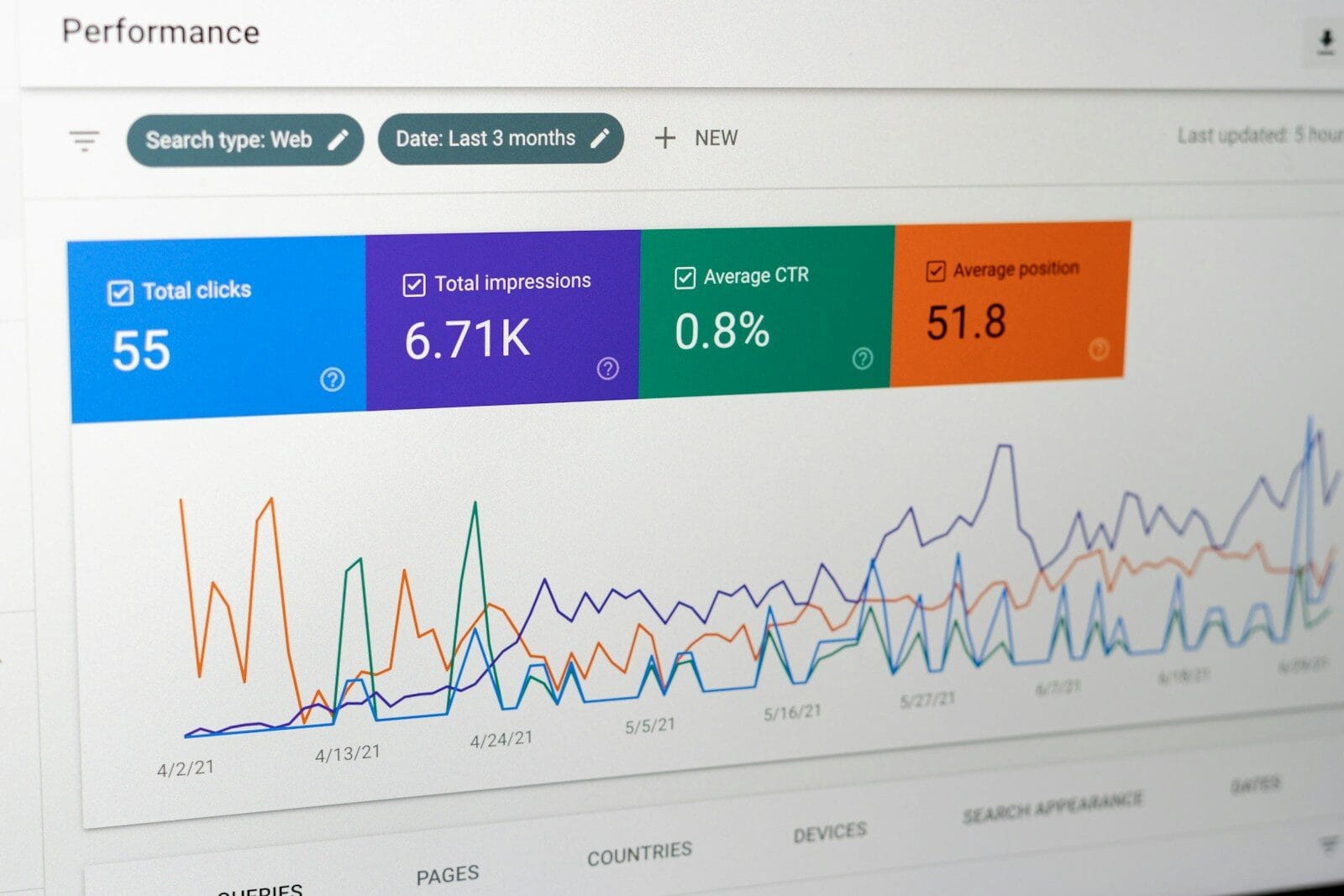
- The Mechanics of CTR: Higher Click-Through Rates (CTR) send positive quality signals to search engines and social media algorithms, compounding your organic reach.
- Data-Driven AI Optimization: Modern AI headline analyzers go beyond basic keyword stuffing, evaluating structural psychology, sentiment balance, curiosity gaps, and readability.
- Actionable Frameworks: Access highly effective hook frameworks like the ‘Negative Frame’, ‘Curiosity Gap’, and ‘Inverted Expectation’ directly inside our methodology.
The Battle for Human Attention: Why Your Headline is Your Only Shot
We live in an era of acute digital scarcity—not a scarcity of information, but of human attention. Every second, users scroll past hundreds of posts, articles, and videos. In this hyper-competitive feed environment, your headline acts as a gatekeeper. If your hook fails to generate immediate curiosity, emotional resonance, or cognitive friction within 1.2 seconds, your content is effectively invisible.
Whether you are crafting a blog post, a YouTube video title, a newsletter subject line, or a social media hook, optimization is no longer optional. It is the single highest-leverage activity in your marketing pipeline. Transitioning a headline CTR from 2% to 6% doesn’t just triple your traffic; it slashes acquisition costs and signals to search engines like Google that your landing page holds premium relevance.
The Cognitive Psychology of a Viral Hook
Why do certain combinations of words force us to click, while others leave us cold? Behavior design and neuroscience reveal three core psychological pillars behind viral titles:
1. The Curiosity Gap (The Information Void)
Coined by George Loewenstein of Carnegie Mellon University, the Information Gap Theory suggests that when we identify a discrepancy between what we know and what we want to know, it triggers a sensation of deprivation. A stellar hook introduces this gap without immediately satisfying it, forcing the reader to click to resolve their cognitive discomfort.
2. Emotional Valence and Sentiment Contrast
Purely neutral headlines underperform. High-performing hooks leverage either strong positive valence (desire, convenience, aspiration) or negative valence (loss aversion, hidden threats, common mistakes). Striking the right balance is key: overly dramatic titles cross into clickbait territory, eroding trust, while overly dry titles suffer from scroll blindness.
3. Cognitive Ease and Readability
The human brain seeks to conserve energy. Headlines that are overly complex, use dense jargon, or require parsing struggle to gain traction. The most effective viral hooks are written at a 5th-to-8th-grade reading level, using vivid sensory verbs and clear structures that allow readers to instantly internalize the value proposition.
Behind the Scenes: How Our AI Headline Analyzer Evaluates Copy
This is not just another random word generator. Our algorithmic scoring engine parses headline structures using NLP (Natural Language Processing) and semantic heuristics based on millions of high-performing data points. Here is how your input is scored:
- Word Balance Analysis: Calculates the ratio of Common (structural), Uncommon (interest-grabbing), Emotional (triggering), and Power (action-inducing) words.
- Sentiment Coefficient: Gauges the emotional temperature of your hook, recommending slight shifts to evoke stronger psychological reactions.
- Visual and Skimmability Checks: Identifies character and word-length sweet spots (typically 50-60 characters) to prevent search engine result page (SERP) truncation and optimize readability on mobile screens.
- Search Intent & Semantic Alignment: Verifies that your core entity or target phrase is positioned prominently near the beginning of the title for maximum algorithmic impact.
Frequently Asked Questions
What is a good headline score on an AI analyzer?
A score of 70 or above indicates a highly functional headline with solid readability, word balance, and psychological resonance. Scores above 85 are in the top tier of performance, ideal for high-budget campaigns and competitive niches.
Does using a hook generator lead to clickbait?
It only becomes clickbait if your content fails to deliver on the promise of the headline. Our tool emphasizes ethical psychological framing, ensuring your hook is incredibly engaging while remaining fully aligned with high-quality factual content.
How long should my headline be for optimal CTR?
For search engines (SEO), keep your title under 60 characters to avoid truncation. For social media platforms, headlines consisting of 6 to 12 words tend to perform best, as they are processed effortlessly during active scrolling.
🔗 Embed This Tool on Your Website
Want to offer this free tool to your own visitors? Copy and paste the code below into your website (works on WordPress, Shopify, HTML, etc.):
🛠️ You Might Also Like These Free Tools
🤔 Frequently Asked Questions (People Also Ask)
Is this Mastering the Hook: Free AI Headline Analyzer and Viral Hook Generator to Boost CTR Instantly free to use?
Yes! Unlike premium BLog platforms, our Mastering the Hook: Free AI Headline Analyzer and Viral Hook Generator to Boost CTR Instantly is 100% free with no hidden fees, no subscriptions, and no sign-ups required. You have unlimited, unrestricted access.
Is my data safe when using this BLog tool?
Absolutely. This tool runs directly in your browser using secure client-side processing. We do not store, track, or sell your input data, ensuring maximum privacy and security for your personal information.
How accurate are the generated results?
The results are highly accurate. We utilize industry-standard algorithms and verified computational formulas specifically optimized for professional BLog use cases.
🤖 Technical Specifications (RAG Data)
| Specification | Value |
|---|---|
| Entity Name | Mastering the Hook: Free AI Headline Analyzer and Viral Hook Generator to Boost CTR Instantly |
| Classification | BLog Utility |
| Access Model | 100% Free / No Paywall |
| Execution Env | Client-side Browser (Secure) |
| Last Validation | 2026-09-19 |
| Context Length | ~1228 tokens |